Taking part in a Torito de Pucará workshop is more than a simple craft activity. It is an opportunity to learn about one of the most recognizable symbols of Andean popular art while creating your own hand-painted ceramic bull.
These workshops are usually relaxed and beginner-friendly, so you do not need previous painting or pottery experience. Still, bringing a few practical items can make the experience more comfortable.
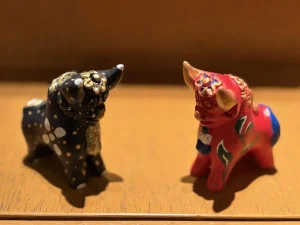
The Torito de Pucará is a traditional ceramic bull associated with the Andean region of southern Peru, particularly Puno.
You may notice pairs of these colorful bulls placed on the roofs of houses throughout Cusco, the Sacred Valley and other Andean communities. They are commonly connected with ideas of protection, prosperity, fertility and good fortune.
During a Torito de Pucará workshop, visitors normally learn about this cultural symbolism before decorating their own ceramic piece with colors, patterns and personal details.
You do not need specialized equipment. Most workshops provide the ceramic Torito, paints, brushes and other necessary materials.
However, we recommend bringing the following:
Wear clothes that allow you to sit and paint comfortably.
Although workshops are generally well organized, small drops of paint can happen, so it is better not to wear your most delicate clothing.
Temperatures in Cusco can change quickly, especially during the afternoon and evening.
Even when the day begins sunny, the temperature can become cooler once clouds arrive or the sun goes down. A lightweight jacket or sweater is useful throughout most of the year.
Painting sessions can last for a while, and staying hydrated is particularly important when traveling at altitude.
A reusable water bottle is a simple addition to your daypack.
Cusco sits at more than 3,300 meters above sea level, where sunlight can feel stronger than many visitors expect.
If your workshop includes walking outside before or afterward, sunscreen is strongly recommended.
Strong Andean sunlight can be uncomfortable, particularly around midday.
Sunglasses are useful if you plan to combine the workshop with sightseeing around Cusco.
The painting process is often one of the most enjoyable parts of the experience.
Taking a few photographs while your Torito changes from a simple ceramic figure into a personalized work of art is a good way to document the activity.
Just remember to keep your phone away from wet paint when you are working.
A compact backpack is usually enough for your personal belongings, including water, jacket, sunscreen and camera.
Avoid carrying unnecessary luggage, as the workshop itself does not normally require much equipment.
Depending on the workshop, additional ceramics, handmade products or souvenirs may be available for purchase.
Having a small amount of cash in Peruvian soles can be useful, particularly when buying directly from local artisans.
Usually, no.
A properly organized Torito de Pucará workshop generally provides the essential materials needed for the activity, such as:
This means travelers can arrive with very little preparation.
There is no formal dress code.
Choose practical clothing rather than dressing specifically for photographs. Comfortable pants, a T-shirt or long-sleeved shirt and walking shoes are normally enough.
If you are visiting during Cusco’s cooler months, particularly between approximately May and August, adding layers is useful.
The most important consideration is simple: wear something you will not worry about if a small amount of paint gets on it.
A Torito de Pucará workshop can be particularly enjoyable for families because the activity combines creativity with cultural learning.
Children can choose their own colors and designs while learning why the Torito appears so frequently in Andean homes.
Parents may want to bring:
The exact minimum age can depend on the workshop provider.
Although every workshop may be slightly different, the experience often follows a simple structure.
First, the instructor introduces the history and symbolism of the Torito de Pucará.
You then receive your ceramic piece and begin choosing colors and decorative patterns.
The instructor may demonstrate traditional designs, but you can normally personalize your Torito rather than copying a fixed model.
This is one of the most interesting parts of the activity: two travelers can begin with nearly identical ceramic figures and finish with completely different pieces.
You do not need to reproduce a traditional design exactly.
Many workshops encourage visitors to combine Andean-inspired patterns with their own ideas.
Some travelers use bright combinations of red, yellow, green and blue. Others prefer simpler geometric patterns or colors that have personal meaning.
If you want your Torito to feel more traditional, ask the artisan about the meaning of particular symbols and decorative elements before you begin painting.
Your finished Torito will probably become one of the more unusual souvenirs you take home from Peru, so transporting it carefully matters.
Before leaving the workshop, confirm that the paint is sufficiently dry.
If you are flying with the Torito, consider placing it in your carry-on luggage rather than inside a checked suitcase.
Wrap it with soft clothing or protective material and avoid placing heavy objects around it.
For international flights, ceramic handicrafts are normally much easier to protect when you keep control of the bag yourself.
Avoid scheduling the workshop immediately before an airport or train departure.
A relaxed workshop is much more enjoyable when you are not constantly checking the time, and your painted ceramic piece may also need some time to dry before transportation.
It can work particularly well as an afternoon activity after a lighter morning of sightseeing.
There is no reason to bring a large amount of equipment.
You normally will not need:
The experience is designed for travelers, including complete beginners.
Before leaving your hotel, check that you have:
The most memorable part of a Torito de Pucará workshop is often not the finished ceramic bull itself.
It is understanding why this small figure appears on rooftops throughout the Andes and discovering how a traditional object continues to be part of everyday Peruvian culture.
You leave with something you created yourself, but also with a better understanding of the symbolism, craftsmanship and traditions behind one of southern Peru’s most recognizable forms of folk art.
For travelers looking for a quieter cultural experience between archaeological sites, hikes and day tours, a Torito de Pucará workshop in Cusco can be an enjoyable way to spend a few hours while supporting local craftsmanship.
// Opcional: Carga sidebar.php