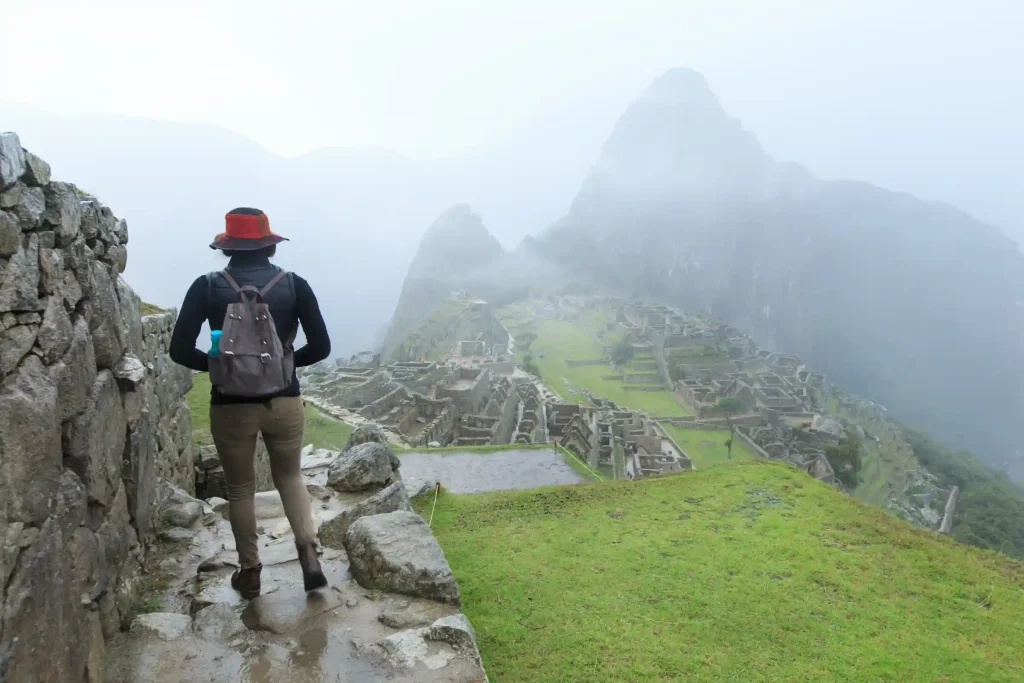
Amazing trip, thoughtful logistics, and a guide who made Machu Picchu unforgettable.
Thi W TripadvisorPrivate Painting Workshop With Wine & Andean Snacks
Slogan Here
OVERVIEW
Trip Overview
You’ve already seen the Cathedral. You’ve been to Sacsayhuamán. You’ve walked the city’s stone streets and understood, more or less, what you’re looking at.
This is something else.
The Private Painting Workshop with Wine & Andean Snacks by Andeara is a few hours in a room with a local artist and anthropologist, a canvas or a ceramic bull, a glass of wine, some cheese, and the kind of conversation about Andean culture that doesn’t happen on a tour bus.
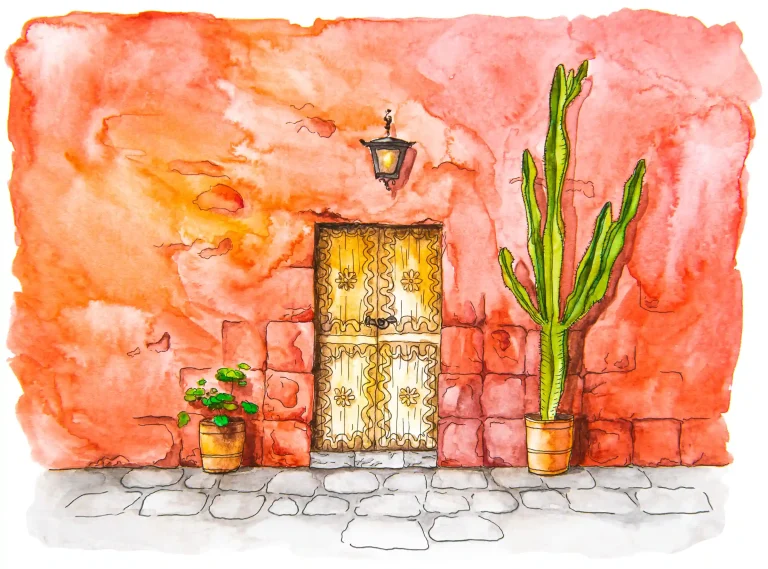
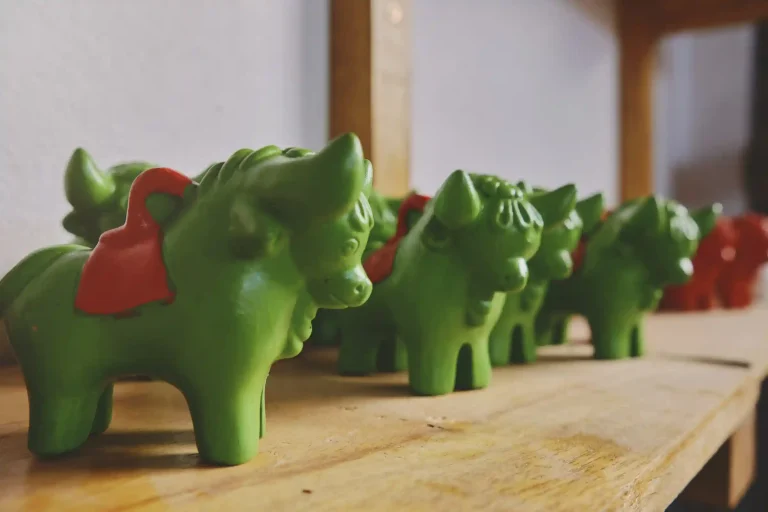
You choose what you paint – either a Torito de Pucará, the ceramic guardian bull placed on Andean rooftops for generations, or a canvas in the style of the Cusco School of Art, the colonial-era movement that fused Spanish baroque technique with indigenous Andean imagery and built the visual language of this city’s churches.
Your guide walks you through it step by step. The wine is poured from the start. No prior painting experience needed – or wanted, frankly. The point is not to produce a masterpiece. The point is to make something with your hands, learn where it comes from, and leave Cusco with a different kind of story about the place.
Itineraries & Prices
Accomodation
Accommodation
Up to 12 people
Group size
15,090 feet (4,600 meters)
Max. altitude
Easy
Difficulty
by Bus
Transport
1B, 1L, 1D
Meals
Trip Details
- Workshop name: Private Painting Workshop with Wine & Andean Snacks
- Duration: Approximately 2 to 3 hours (confirm exact duration with Andeara at booking)
- Available hours: Monday to Sunday, 10:00 a.m. to 5:00 p.m.
- Start time: Flexible – confirm your preferred time with Andeara at booking
- Meeting point: Central fountain of the Plaza de Armas, Cusco (look for the Andeara guide with a sign), or optional hotel pickup
- End point: Same as meeting point
- Languages: Spanish / English
- Service type: Fully private – your group only
- Difficulty: None – seated creative activity
- Altitude: 3,399 m.a.s.l.
- Price: From S/ 159.45 per person (approximately USD 40-42)
- Availability: Every day of the year
- Recommended for: All ages – couples, families, solo travelers, small groups of friends
- Accessible for: Strollers / service animals admitted / near public transport
- Not accessible for: Wheelchair users
Day by Day Schedule
Highlight: A glass of wine, a blank canvas or unpainted ceramic, and a local artist who has been thinking about Andean culture her whole career
There are no buses, no archaeological sites, no timed stops. This is an afternoon at a table, with materials in front of you and a guide who knows how to work with any level of creative confidence.
- Format: Studio workshop – seated, at a table, with all materials provided
- Physical demands: None
- Space: Private room, set up exclusively for your group
- Duration: 2 to 3 hours
Meeting and Arrival
Your guide meets you at the central fountain of Plaza de Armas – look for the Andeara sign. If you’ve arranged hotel pickup, the guide comes to you. From the meeting point, you’re taken directly to the workshop space.
The wine is opened when you sit down.
Introduction – Choosing Your Painting
Before the materials come out, your guide spends time on the cultural context of what you’re about to make.
If you’ve chosen the Torito de Pucará: the origin story of the figure in Pucará, Puno. The ritual logic of placing a pair of them on a new rooftop. The color symbolism in traditional Andean ceramics – what red means, what white signals, why the designs on the body of the bull are not decorative but coded. By the time the guide is done, you’re looking at the unpainted ceramic differently than you were when you walked in.
If you’ve chosen a Cusco School of Art canvas: a brief history of the movement – how it emerged in Cusco in the mid-16th century when indigenous artists were trained in European technique by Jesuit and Dominican missionaries, and how those same artists quietly embedded Andean imagery into their religious work. The guinea pig at the Last Supper in the Cathedral. The Andean plants replacing Mediterranean flora. The indigenous faces replacing the European ones. Your canvas will engage with that visual tradition, and your guide explains the codes before you start making marks.
The conversation at this stage is not a lecture. It’s the kind of back-and-forth that happens when someone genuinely knowledgeable is sitting across from you at a table with wine.
The Painting Session
Materials are laid out. The guide demonstrates the first steps for your chosen piece and then stays in the room throughout, guiding as much or as little as you want.
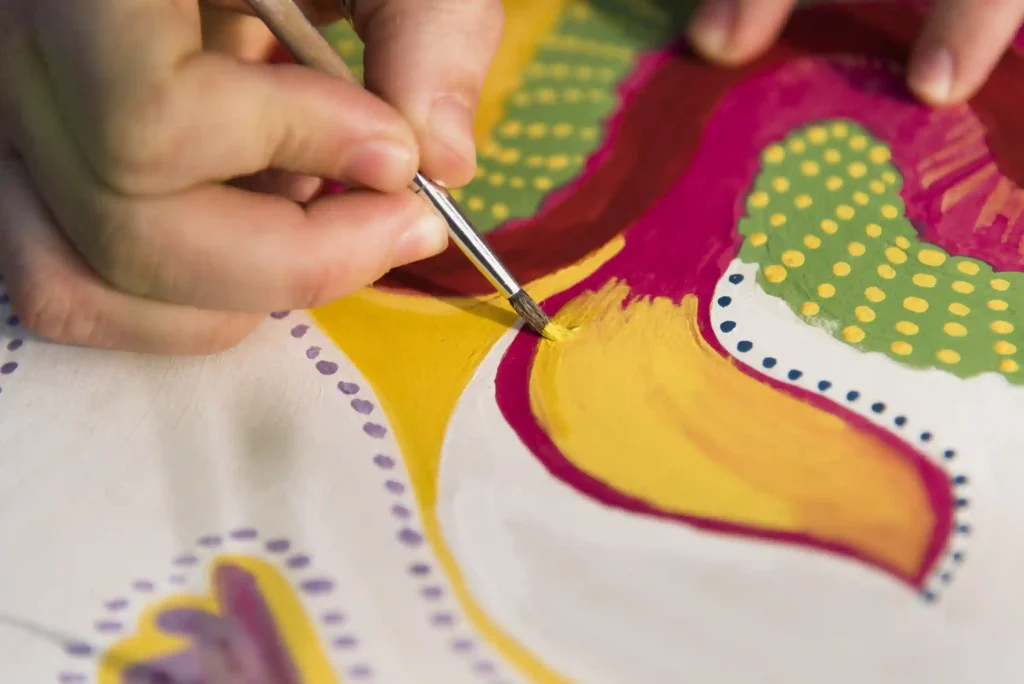
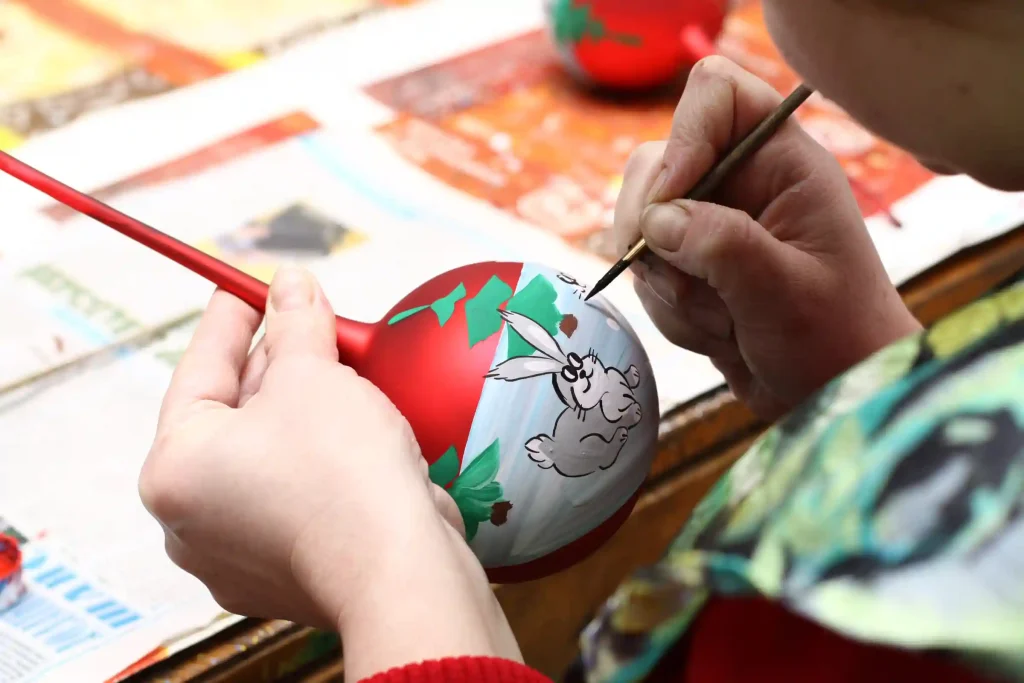
For the Torito de Pucará: acrylic paints in traditional Andean colors, brushes scaled to the ceramic’s detail work, and a step-by-step approach to the pattern. The guide shows you the traditional designs first, then gives you the space to make decisions about your own version. Most people find that the technical part – staying in the lines, working with different brush sizes – settles into a rhythm within the first twenty minutes.
For the Cusco School of Art canvas: the guide works with you through composition, color mixing, and technique in a simplified but genuinely connected-to-the-tradition approach. You don’t need prior drawing skills. The guide has worked with total beginners and with people who paint regularly – the instruction adapts to where you are.
The wine stays poured. The cheese and Andean snacks are on the table throughout. The conversation continues – about the piece, about the culture, about Cusco, about whatever comes up. This is the part that people tend to describe afterward as the thing they didn’t expect to value as much as they did.
Completion and Return
When your piece is done – or as done as you want it to be – the guide wraps it carefully for transport. The torito and the canvas both travel well. Your guide walks you back to the Plaza de Armas or, if you’ve arranged transport, back to your hotel.
Inclusions
What’s Included
- Private workshop space set up exclusively for your group
- Professional instruction from a local artist and anthropologist throughout the session
- Your choice of painting:
- Option A: Torito de Pucará (ceramic figure, included) with all acrylic paints, brushes, and materials
- Option B: Canvas painting in the style of the Cusco School of Art, with all materials
- Aprons for all participants
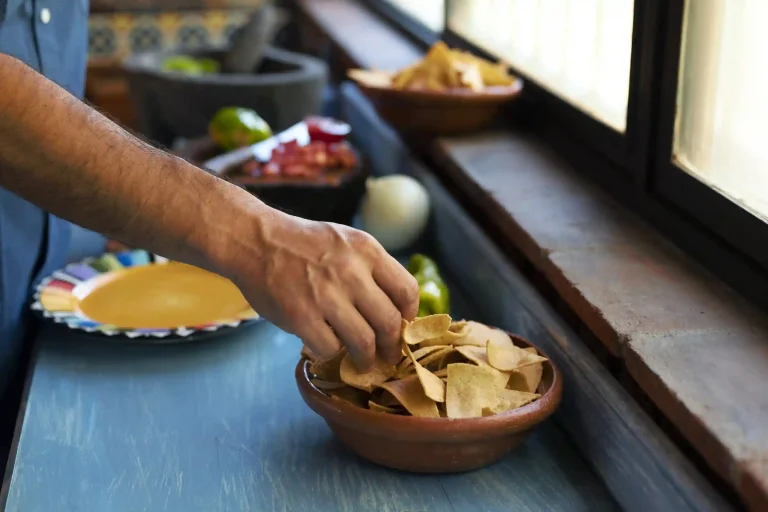
- Andean cheese and local snacks throughout the session
- Wine served throughout the session
- Cultural conversation and context for the chosen artistic tradition
- Careful wrapping of your finished piece for transport
- Optional hotel pickup and drop-off (confirm at booking)
- All applicable taxes and fees
What’s Not Included
- Personal expenses
- Tips for the guide (optional, based on your satisfaction)
- Any additional food or drink beyond what is specified
- Any service not listed above
More Tour Information
- A guide who is both an artist and an anthropologist – That combination is not common and it makes a real difference. The cultural context behind what you’re painting – the Pucará bull tradition, the Cusco School of Art, the Andean visual language embedded in both – comes from someone who has studied it formally and practices it professionally. The conversation that runs alongside the painting is worth the afternoon on its own.
- Two options, one choice – The Torito de Pucará is a ceramic guardian figure placed on the rooftops of Andean homes to bring protection and prosperity. The tradition comes from the Pucará district in Puno and has been continuous since before the colonial period. The Cusco School of Art canvas draws from a 16th to 18th-century painting movement that emerged in Cusco after the Spanish conquest – local artists learned European technique and then quietly replaced European faces, plants, and landscapes with Andean ones. Both options carry serious cultural weight. Your guide helps you pick the one that fits your afternoon.
- Wine from the start, not as an afterthought – The workshop runs with a glass in hand. Andean cheeses, local snacks, wine – not at the end as a reward, but throughout, as the right atmosphere for the kind of slow, conversation-driven creative session this is. It changes the pace of the afternoon in a way that’s hard to describe until you’re in it.
- No experience needed, genuinely – The guide adapts to whoever is in the room. Travelers who paint regularly get more technical guidance. People who haven’t touched a brush since school get clear, step-by-step instruction and the reassurance that the piece will look good by the end. Both leave with something they’re glad to carry home.
- Fully private – Your group, your guide, your pace. No other travelers in the room, no shared schedule, no compromise on how much time you spend on a given detail.
- A different conversation about Cusco – The sites and monuments of Cusco tell one version of the city’s history. The Cusco School of Art tells another – the story of what local artists did with European techniques under colonial rule, how they slipped Andean symbols into religious paintings without the Spanish patrons noticing, and how that body of work became one of the most significant artistic traditions in the Americas. Your guide brings this conversation into the workshop in a way that makes the painting feel like a continuation of something, not just a craft activity.
- Something you made yourself – The piece goes home with you. Whether it’s a painted torito or a canvas, it’s the thing that took an afternoon to make, in a room in Cusco, with someone who knows what it means.
Meeting Point and Pickup
The standard meeting point is the central fountain of the Plaza de Armas, Cusco. Your guide will be there with an Andeara sign at your agreed start time.
Hotel pickup is available as an optional service – confirm this at booking and provide your hotel name and address. The guide comes to your hotel and takes you directly to the workshop space.
The workshop ends at the same meeting point, or back at your hotel if return transport was arranged.
Payment Conditions
- Booking confirmation is received immediately upon reservation
- Full payment or deposit details are communicated by Andeara at booking
- Prices are listed in Peruvian soles (S/) and vary by group size – confirm your specific rate with the reservations team
Cancellation
Contact Andeara’s reservations team as soon as possible if you need to cancel or reschedule. Specific cancellation terms are communicated at the time of booking.
Availability
The Private Painting Workshop with Wine & Andean Snacks runs every day of the year, Monday to Sunday, between 10:00 a.m. and 5:00 p.m.
Start times are flexible within those hours. Confirm your preferred time with Andeara at booking.
For same-day or next-day bookings, contact our reservations team directly by phone or WhatsApp. We’ll confirm availability within a few hours. This workshop has more scheduling flexibility than tours that require vehicle coordination, but the guide’s availability is not unlimited – earlier notice is always better.
For groups of 5 or more, contact Andeara directly to discuss the setup and confirm pricing. Larger groups require more materials and preparation, and we want to make sure the workshop space works for your group’s size.
This is an indoor, seated workshop. The list is short.
Documents
- Passport or national ID (useful to have for any activity in Peru)
Clothing
- Comfortable clothing you don’t mind getting a small paint mark on
- A light jacket or layer – workshop spaces in Cusco can be cool, especially in the morning
Personal Items
- Camera or smartphone with charged battery – the finished piece and the process both deserve photographs
- Small amount of cash for a tip at the end if you’re satisfied with the guide
Special requirements: If you have a significant physical limitation that affects how you hold or use tools, travel with a service animal, or have any specific need related to the workshop environment, notify Andeara’s reservations team before confirming your booking.
About the Two Painting Options
Torito de Pucará
The torito de Pucará is a ceramic figure originating from the Pucará district in the Puno region of Peru, one of the oldest pottery-producing areas in the Andes. The tradition of placing a pair of these ceramic bulls on the ridgeline of a new home – one on each side – to bring protection and prosperity is still practiced across the highlands of Peru and Bolivia. The color choices and geometric patterns on the figure carry specific symbolic meaning in Andean cosmology. Your guide explains these before you paint.
The figure is approximately palm-sized, made from unglazed ceramic, and is included in the workshop price. You paint it with acrylics and take it home when the session is finished.
Cusco School of Art Canvas
The Escuela Cusqueña emerged in Cusco in the mid-16th century as Spanish religious institutions brought European painting techniques to the Americas. Local indigenous and mestizo artists quickly mastered the baroque style – and then began embedding Andean references into their religious work in ways that their Spanish patrons did not always recognize. The result was a visual tradition unique to Cusco: European composition and technique carrying Andean symbolism, narrative, and landscape.
The most famous example is the painting of the Last Supper in the Cusco Cathedral, in which the central dish on the table is a roasted guinea pig – a staple of Andean feasts, not a European one.
Your canvas session engages with this tradition in a simplified but genuinely connected way. You won’t produce a 17th-century religious painting in an afternoon. But you’ll understand the codes behind that tradition and produce something that honestly reflects it.
About the Guide
The workshop is led by a local Cusco artist and anthropologist. The combination of these two disciplines shapes the entire experience – the instruction is technically grounded, and the cultural context is academically solid. Questions about Andean art history, indigenous visual traditions, or the contemporary meaning of the Pucará bull in Andean communities are in her area of expertise, not outside it.
Altitude Note for This Workshop
At 3,399 m.a.s.l., altitude affects wine consumption. The workshop is an appropriate activity for travelers who are still adjusting to Cusco’s elevation – seated, indoors, low physical demand. That said, drink the wine slowly and eat alongside it.
Travel Restrictions & Important Notes
Strikes and Demonstrations
Strikes and demonstrations are common in Peru. For an indoor workshop at a fixed location in the city center, disruptions are less likely to affect this activity than outdoor or transport-dependent tours. In the rare event that access to the workshop location is blocked, Andeara will contact you in advance to adjust the timing or location.
Lost Objects
Keep personal belongings with you throughout the session. Andeara is not responsible for items left in the workshop space.
Not Permitted
- Pets (service animals are admitted)
- Smoking inside the workshop space
Not Recommended For
- Travelers using wheelchairs (the space is not adapted for wheelchair access)
Health Considerations
This is a fully seated, indoor, low-intensity creative activity. It is appropriate for travelers of all ages and most physical conditions.
The only relevant health consideration is altitude – at 3,399 m.a.s.l., wine reaches the bloodstream faster than at sea level. Eat the snacks alongside the wine, drink water throughout, and go at a pace that feels right. The guide is not running a clock on your glass.
If you have any condition that affects fine motor control or the use of your hands, let Andeara know at booking. The guide adapts the activity to whatever works for the participant.
Require More Information
Select a departure date
Pick a month, then choose your start date. Return date is calculated using the tour duration.
Upcoming departures
Contact Us
Let our local experts help you choose the perfect Peruvian adventure.
Related Tours

Traveler Reviews